-

Top 5 Mistakes Students Make While Studying and How to Avoid Them
Studying effectively is an essential skill for academic success, yet many students unknowingly make mistakes that reduce their efficiency and retention. Poor study habits, lack of planning, and distractions can prevent students from achieving their full potential. Recognizing these mistakes and learning strategies to avoid them can make studying more productive and less stressful. This
-

The Impact of Gamification on Learning Outcomes
In recent years, education has undergone a significant transformation due to the integration of technology and innovative teaching strategies. One such strategy that has gained widespread attention is gamification—the use of game design elements in non-game contexts, including education. Gamification leverages elements like points, badges, leaderboards, and challenges to make learning more engaging, motivating, and
-

How to Balance Studies with Extracurricular Activities
For students, academic success is often the primary focus, but it is equally important to engage in extracurricular activities. Sports, arts, music, volunteering, and clubs play a significant role in personal development, building soft skills, and enhancing overall well-being. However, juggling academics with extracurricular activities can be challenging, especially when both demand time, energy, and
-

Why Financial Education Should Be Taught in Schools
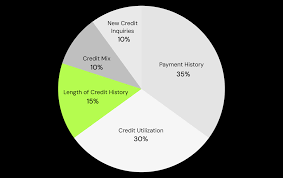
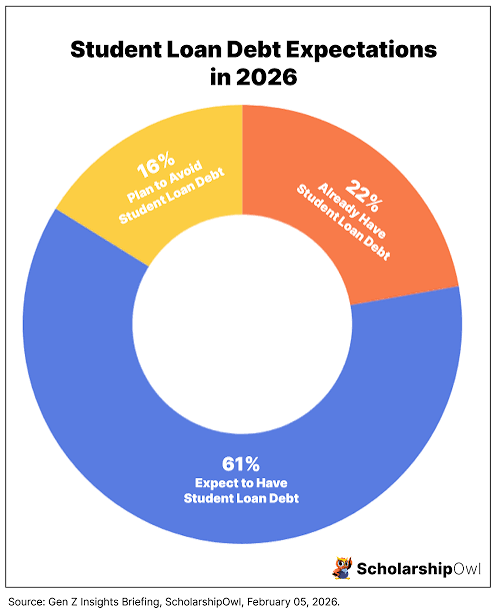
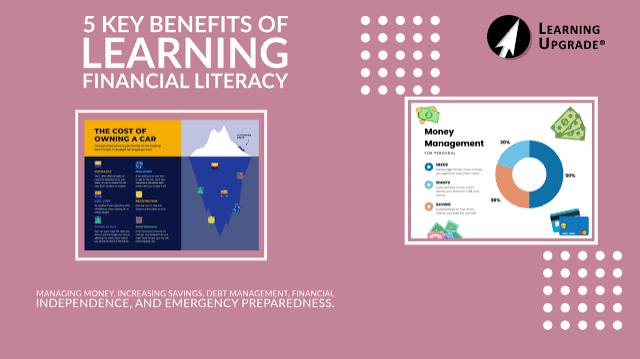
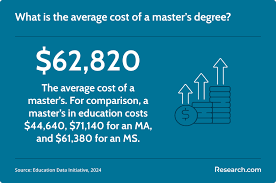
In today’s rapidly evolving world, financial literacy has become a critical life skill. Yet, despite its importance, many students leave school without a clear understanding of how to manage money effectively. Financial education—covering topics like budgeting, saving, investing, credit, and responsible spending—is essential for preparing young people to navigate the financial challenges of adult life.
-

How to Improve Concentration During Long Study Sessions
Studying for extended periods can be challenging, especially when distractions, fatigue, and mental fatigue set in. Concentration is a key factor in learning effectively, retaining information, and performing well in exams. However, many students struggle to maintain focus during long study sessions. The good news is that concentration is a skill that can be developed
-

The Importance of Digital Literacy for Modern Students
In today’s fast-paced world, technology plays a central role in education, communication, and everyday life. From online research to virtual classrooms, digital platforms have transformed the way students learn and interact. In this context, digital literacy has become an essential skill for modern students. Digital literacy is more than just knowing how to use a
-

Tips for Effective Note-Taking During Classes
Effective note-taking is one of the most important skills a student can develop. Whether in high school, college, or university, the ability to take organized and meaningful notes can significantly enhance learning, retention, and academic performance. Notes act as a personal study guide, helping students understand complex topics, recall important details, and prepare for exams
-

Project-Based Learning: How It Benefits Students
Education is evolving rapidly, and traditional methods of teaching—primarily focused on lectures, memorization, and standardized tests—are no longer sufficient to prepare students for the demands of the modern world. One innovative approach gaining traction worldwide is Project-Based Learning (PBL). Unlike conventional learning, PBL emphasizes active participation, real-world problem-solving, collaboration, and critical thinking. It transforms students
-

How to Build a Growth Mindset for Academic Success
Academic success is often associated with intelligence, talent, and diligence. While these qualities are valuable, research shows that a student’s mindset—the beliefs they hold about their abilities and learning potential—plays a pivotal role in their achievements. Students with a growth mindset approach challenges differently from those with a fixed mindset, allowing them to learn more
-

The Role of Technology in Remote and Hybrid Learning
In recent years, the education landscape has undergone a massive transformation. Traditional classroom-based teaching has been supplemented, and in some cases replaced, by remote and hybrid learning models. These changes have been largely driven by technological advancements and the need for flexible learning options. Technology now plays a pivotal role in shaping how students access
Recent Posts
- Top 5 Mistakes Students Make While Studying and How to Avoid Them

- The Impact of Gamification on Learning Outcomes

- How to Balance Studies with Extracurricular Activities

- Why Financial Education Should Be Taught in Schools

- How to Improve Concentration During Long Study Sessions